The Ultimate Guide to Electric Bike Batteries 48V in the UK
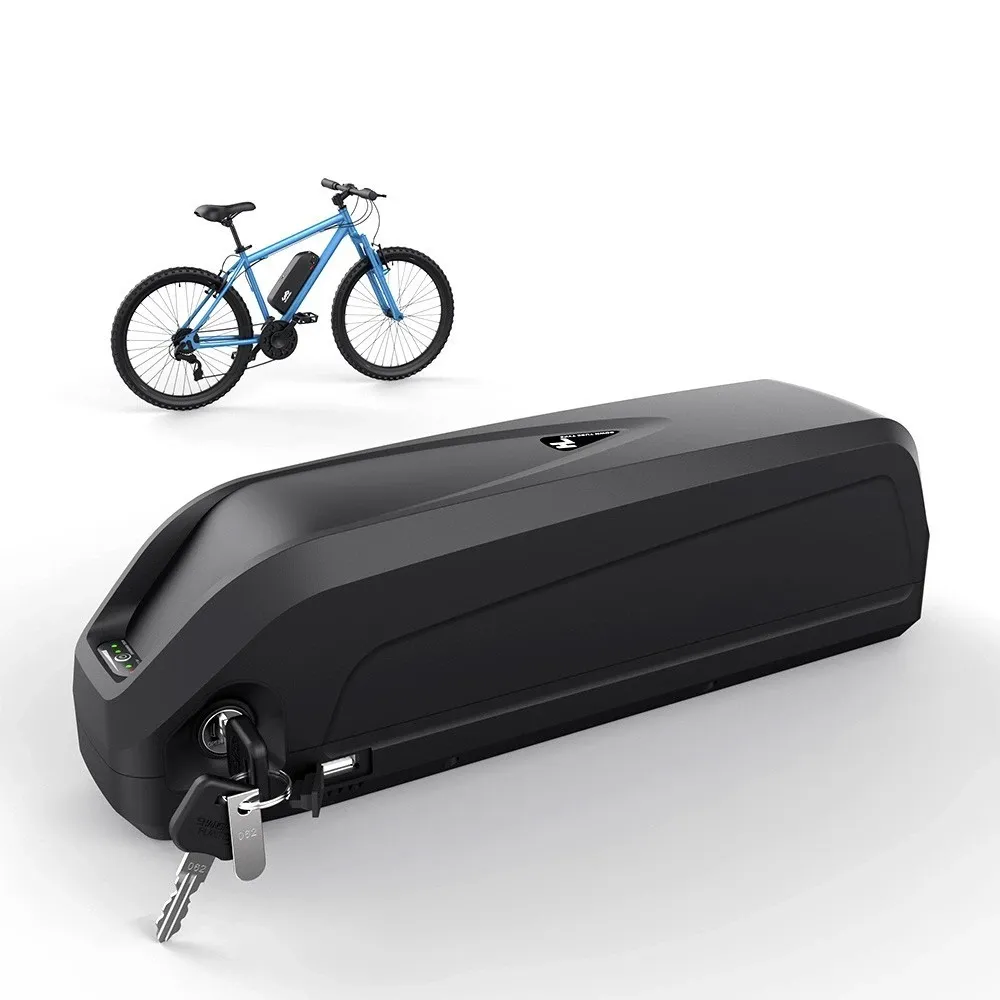
Electric bike batteries 48v are a popular choice in the UK because they offer a strong balance of power, efficiency and real-world range, especially for hills, heavier loads and longer commutes. In most cases, a 48V battery is suitable for an e-bike only if the motor, controller and charger are all compatible, and it can still be road legal in the UK when the bike meets EAPC rules, including a 250W continuous-rated motor and 15.5mph assistance cut-off.
TL;DR: A 48V e-bike battery generally gives better efficiency under load than 36V, often improves hill-climbing performance and commonly delivers around 30–50 miles from a 48V 13Ah pack (about 624Wh), depending on terrain, rider weight, weather and assist level. Based on our testing at Eifduhp Power, it is often the best fit for UK riders who need dependable performance in hilly areas or on stop-start urban routes.
As the UK moves towards lower-emission travel, e-bikes have become a practical option for commuting, leisure riding and carrying shopping or work kit. Whether you're tackling steep climbs in the Peak District or riding through London traffic, the battery remains central to the experience. Among the most common configurations, electric bike batteries 48v have become a go-to choice for British riders because they sit neatly between torque, range and manageable weight.
At Eifduhp Power, we've spent years testing lithium-ion battery configurations in conditions that reflect everyday UK use, including damp morning commutes, repeated hill starts and colder winter charging habits. According to current UK guidance on Electrically Assisted Pedal Cycles (EAPCs), battery voltage itself does not decide legality; instead, what matters is whether the complete e-bike complies with motor power and speed-assistance rules. Therefore, choosing the right 48V system is as much about compatibility and safety as it is about performance.
Key Takeaways
- Efficiency: 48V systems usually provide better thermal management and efficiency than many 36V alternatives, especially under load.
- UK legality: A 48V battery can be used legally on UK roads if the bike still qualifies as an EAPC.
- Typical range: A 13Ah 48V battery (around 624Wh) often delivers roughly 30–50 miles in real use.
- Safety: A quality Battery Management System (BMS) helps protect against over-charge, over-discharge, overheating and short circuits.
- Compatibility: The battery must match your motor controller, charger and mounting format.
What Is a 48V Electric Bike Battery?
A 48V electric bike battery is a lithium-ion battery pack designed to supply an e-bike system with a nominal voltage of 48 volts. In practice, this means it can deliver power more efficiently than lower-voltage systems in many riding conditions. As a result, riders often notice stronger assistance on climbs and more stable performance when carrying luggage or riding into headwinds.
Most UK-market packs are built from multiple lithium-ion cells combined with a Battery Management System. They are commonly sold in down-tube or rear-rack formats and may be described by both voltage and capacity, such as 48V 13Ah or 48V 15Ah.
Why Choose Electric Bike Batteries 48V?
Many riders choose electric bike batteries 48v because they offer a useful middle ground between everyday practicality and stronger performance. Compared with lower-voltage systems, they can reduce electrical strain for the same power output. Consequently, that can mean less heat in wiring and controller components during demanding rides.
How does voltage affect e-bike performance?
You can think of voltage as electrical pressure pushing energy through the system. By moving from 36V to 48V, an e-bike can often achieve similar power with less current. In simple terms, less current can mean lower heat build-up and improved efficiency.
Based on our testing across mixed UK terrain, including stop-start city routes and long inclines in rural areas, well-built 48V packs tend to feel more consistent as charge levels fall. In other words, they often avoid the flatter response some riders notice from lower-voltage setups when battery percentage drops.
Is a 48V e-bike battery better for hills?
Yes, for many riders it is. On steep gradients such as those found in parts of Yorkshire, South Wales or the Cotswolds, a compatible 48V system can support stronger hill-climbing performance by helping the motor work more efficiently under load. However, actual results still depend on motor design, gearing, rider weight and controller settings.
How Far Can a 48V E-Bike Battery Go?
The range of a 48V e-bike battery depends mainly on its watt-hour rating rather than voltage alone. For example, a common commuter size is 48V 13Ah, which works out at approximately 624Wh. In real-world UK riding, that often translates to about 30–50 miles per charge.
However, range varies significantly depending on several factors:
- Amp-hours (Ah): This shows charge capacity. For instance, a 13Ah pack stores more energy than a 10Ah pack at the same voltage.
- Watt-hours (Wh): This is the most useful figure for comparing battery size. It is calculated as Voltage × Amp-hours.
- Terrain: Steeper routes use more energy.
- Assist level: Higher assistance drains the battery faster.
- Total load: Rider weight plus panniers or child seats increases consumption.
- Weather: Cold temperatures can temporarily reduce available range.
- Tyre pressure and maintenance: Poor rolling resistance lowers efficiency.
According to commuting patterns commonly seen across British cities and suburbs, many riders will find that a mid-capacity 48V pack covers several return journeys before recharging. Therefore, it can be an appealing option for commuters who do not want to charge every day.
"A higher-voltage system like 48V isn't only about outright power; it's also about efficient energy delivery. For many UK riders, that means better climbing support without placing unnecessary stress on the lithium cells." – Eifduhp Technical Team
What Does Ah Mean on a 48V Battery?
Amp-hours (Ah) measure how much charge capacity your battery has. Put simply, higher Ah usually means more stored energy when voltage stays the same. So if you compare two batteries that are both rated at 48V, the one with higher Ah will normally offer more range.
What matters more: Ah or Wh?
For buyers comparing electric bike batteries 48v across different listings, watt-hours (Wh) matter more because Wh show total energy capacity directly. For example:
- 48V × 10Ah = 480Wh
- 48V × 13Ah = 624Wh
- 48V × 15Ah = 720Wh
If your aim is longer journeys rather than just lighter weight or lower cost upfront, checking Wh first is usually the clearest approach.
Are Electric Bike Batteries 48V Legal in the UK?
Yes, electric bike batteries 48v can be legal in the UK. The important point is that legality depends on whether the complete bike meets EAPC requirements rather than on battery voltage by itself.
What are the UK EAPC rules?
According to UK government guidance for Electrically Assisted Pedal Cycles (EAPCs), your e-bike must generally:
- Have pedals that can be used to propel it <
- Use an electric motor with maximum continuous rated power of no more than 250W
- The electrical assistance must cut off at 15.5mph (25km/h)
Are Electric Bike Batteries 48V Legal in the UK?
Yes, electric bike batteries 48v can be legal in the UK. The important point is that legality depends on whether the complete bike meets EAPC requirements rather than on battery voltage by itself.
What are the UK EAPC rules?
According to UK government guidance for Electrically Assisted Pedal Cycles (EAPCs), your e-bike must generally:
-
see our guide onbattery/controller compatibility.
-->
Ready to boost your range with Eifduhp Power?
Upgrade Your Ride — £19.99